How to Talk to Your Parents About Dating
It might be the most nerve-racking conversation you have this year. Some practical, honest advice for young Nepalis, at home or abroad, on telling your family about dating or about someone special.
Published October 2026
Understand Where Your Parents Are Coming From
For many Nepali parents, marriage was something families arranged, and "dating" was not a word anyone used at home. Their worry is rarely about you having feelings. It is usually about things they were raised to protect: your future, the family's reputation, what relatives will say, and sometimes caste, religion or community.
Every family is different, of course. Some parents had a love marriage themselves; some are more relaxed with a second child than a first; some care deeply about tradition and some barely mention it. Before you talk, think honestly about which of these worries your parents actually hold. Speaking to their real concern goes much further than arguing with one they do not have.
If You Live Abroad, Distance Changes the Conversation
If you are studying or working in Sydney, London, Tokyo, Doha or New York while your parents are in Nepal, they cannot see your life day to day, so news about a relationship can arrive with no context at all. Parents who have moved abroad with you may hold on to tradition even more tightly, because it is part of how they keep home close.
Help them fill in the picture. Talk about your friends, your routine and the people around you before the big conversation, so the person you are seeing is not the first detail of your life they have heard in months.
Pick the Right Time and Place
Timing matters as much as the words. A few things that tend to help:
- Choose a calm, private moment, not in the middle of a family function, a tense week or a crowded tika day.
- Avoid a rushed phone call between classes or shifts. If you are abroad, schedule a proper video call when nobody is in a hurry.
- Talk to one parent first if one is usually more understanding. There is no rule that it has to be both at once.
- Go in when you feel steady, not right after an argument or when you are feeling defensive.
Start With an Ally: a Sibling, Didi, Dai or Mama
In a lot of Nepali families, big news travels best through someone in between. An older sibling, a cousin didi or dai, or a mama or maiju who is close to your parents can help you read the room, suggest how to phrase things, and sometimes prepare the ground before you speak.
Choose someone who will keep it to themselves until you are ready, and who your parents genuinely listen to. An ally should support the conversation, not have it for you.
What to Share, and What Can Wait
You do not need to share everything at once. Start with what will reassure: who the person is, how you met, what you like about them, and that you are taking it seriously. Parents often relax once a name becomes a real person with a family, a job or studies, and values they can recognise.
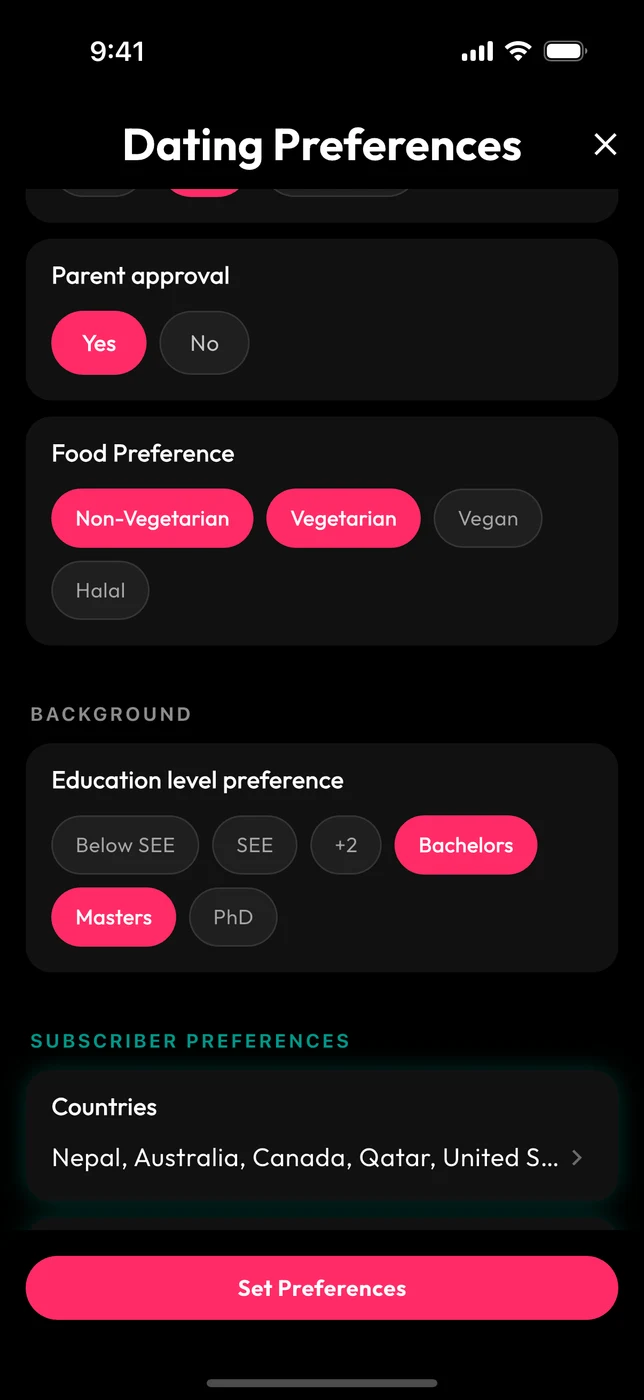
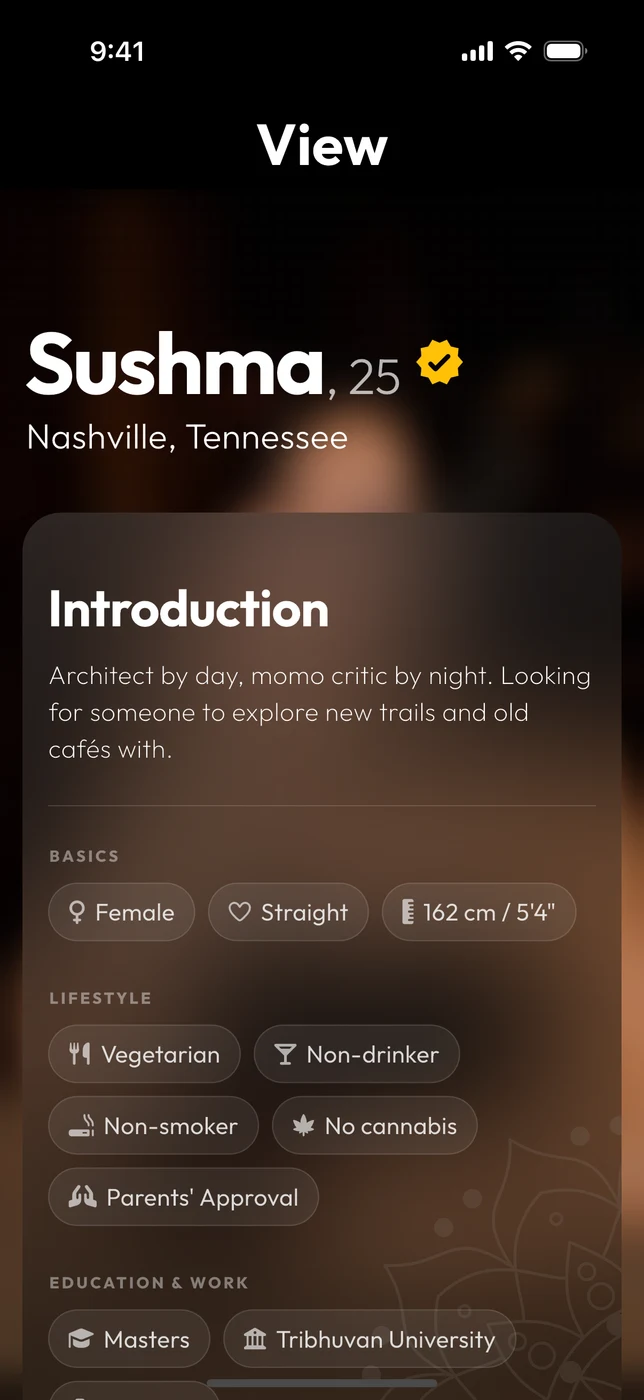
Be honest about how you met. Saying you met on an app is far more common now than it used to be, and it helps to explain how it works: on Klik, for example, people can be selfie-verified, and you can set the preferences that matter to you, from religion and food to whether parental approval matters. Details about your private life can stay private. Being honest is not the same as sharing everything.
Handling Objections Calmly
The first reaction is often not the final one. Many parents say no, go quiet, or ask a hundred questions, and then soften over the following weeks. Some things that help:
- Listen to the whole objection before replying. Repeat it back so they know you heard it.
- Answer the worry, not the tone. "You're worried about what Thulo Buwa will say" opens more doors than "You never trust me".
- Do not try to win in one sitting. Say you will talk again, and mean it.
- Keep your partner out of the crossfire. They do not need every hard thing your family said in the heat of the moment.
- Stay respectful, even when you disagree. It shows the maturity they are worried you lack.
Inter-Caste and Inter-Religious Relationships
If your partner is from a different caste, religion or community, the conversation may carry more weight. Some families are open; for others this is the hardest part, and the concerns can be bound up with relatives, community and how they themselves were raised.
There is no single right way through this, and no one should make you feel ashamed of who you care about, or of your family for finding it hard. Give your parents time and real information about your partner as a person. Learn about each other's traditions together. If it helps, find a relative or family friend who has been through the same thing. And be clear in your own mind about what you want, so you can stay patient without losing yourself.
When Your Partner Meets the Family
If things go well, a meeting will follow. Prepare your partner: who will be there, how to greet elders (a namaste goes a long way, and in many families touching an elder's feet is a sign of respect), what to wear, whether to bring something such as fruit or sweets, and which topics to steer clear of. Customs vary by family and community, so tell them what yours expects.
Keep the first meeting short and relaxed, perhaps over tea at home or a family meal. It does not need to be a formal event. It just needs to go well enough that there is a second one.
Look After Yourself Through It
These conversations can be draining, especially if they stretch over months. It is normal to feel guilty, frustrated or caught in the middle. Talk to friends you trust, take breaks from the topic, and remember that your family's first reaction is not a judgement on your worth. If it is weighing on you, our mental health resources list people you can talk to.
Find Someone Your Family Would Like Too
On Klik you can match on what matters to you and to your family, including caste, religion, food, education and whether parental approval matters, and check your kundali compatibility with AstroPair. It will not have the conversation for you, but it might make it an easier one.